
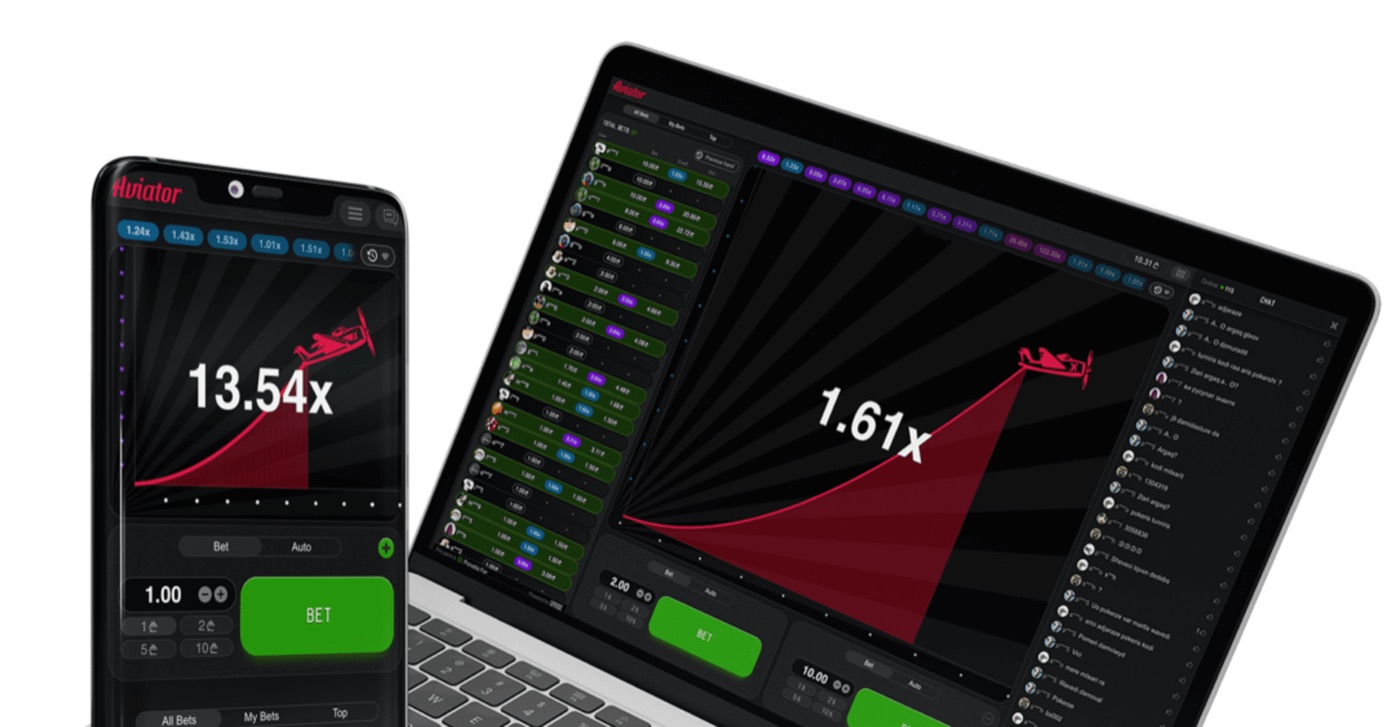
Aviator is a crash game by Spribe built around an increasing multiplier and a plane that can disappear at any time. The round begins at 1.00x, the multiplier rises, and the player must cash out before the crash.
Rounds usually last about 8–30 seconds, with 60–90 rounds available per hour and only a few seconds between them. This pace makes timing important, but it does not change the probability of the next crash or create a reliable way to predict it.
How Round Speed Works
Aviator rounds last about 8–30 seconds. The game provides 60–90 rounds per hour, separated by a few seconds.
The short cycle creates a clear sequence. Players place a stake before take-off, watch the multiplier increase, and request a cash-out while the plane remains in flight. If the plane crashes before the request reaches the server, that bet loses.
- Place one or two bets before the round starts.
- Watch the multiplier rise from 1.00x.
- Choose a cash-out point or use an automatic setting.
- Receive the result when the round ends.
The crash point is fixed before take-off. Spribe uses a provably fair process in which the server publishes a SHA-256 hash of the server seed before the round, combines client seeds from players, and reveals the inputs after the result.
The verification tool inside the game lets players check the result after the round. Neither the operator nor Spribe can change the result after the round starts, so faster play changes the number of decisions a player faces, not the underlying result.
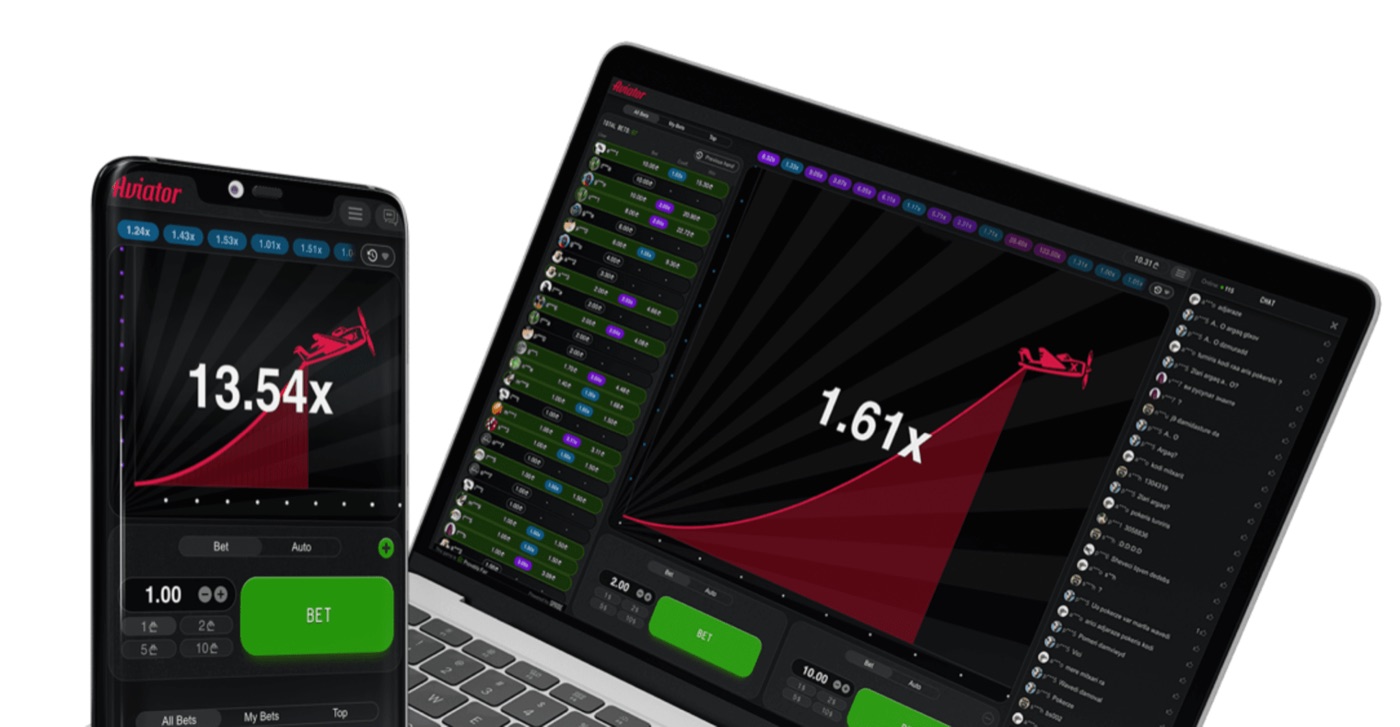
Different Aviator screens can show multipliers such as 13.54x and 1.61x.
Multiplier Probability And Timing
Aviator has a 97% RTP and a 3% house edge. The probability that a round reaches multiplier m is 0.97 divided by m.
Every cash-out target has an expected value of -3% of the stake. A lower target may win more often, while a higher target may win less often, but changing the target changes variance rather than removing the house edge.
| Target multiplier | Probability of reaching it | Practical meaning |
|---|---|---|
| 1.2x | 80.8% | Often reached, but with a small return |
| 1.5x | 64.7% | Moderate target for a short round |
| 2x | 48.5% | About half of rounds reach it |
| 3x | 32.3% | Less frequent than 2x |
| 5x | 19.4% | Reached in about one round in five |
| 10x | 9.7% | Uncommon target |
| 20x | 4.85% | Rare target |
| 50x | 1.94% | Very rare target |
| 100x | 0.97% | Rare high multiplier |
About 3% of rounds crash instantly at 1.00x, or roughly one round in 33. That possibility matters when a player waits for a target such as 2x or 5x, because a previous high multiplier does not protect the next stake.
- A 1.5x cash-out returns the stake multiplied by 1.5 when it succeeds.
- A 2x target reaches fewer rounds than 1.5x.
- A 5x target reaches 19.4% of rounds.
- A 10x target reaches 9.7% of rounds.
- No target changes the 3% house edge.
A player comparing multiplier choices should therefore separate frequency from profitability. A target that wins more often is not automatically a positive-value choice, and a high target is not evidence of a better opportunity after a run of low results.
Decisions In Eight Seconds
An 8-second Aviator round can end before a player has time to reconsider a manual cash-out. A 30-second round gives more screen time, but it still requires a decision before the crash.
The difference between these round lengths affects attention and execution. A player who watches the multiplier manually must decide whether to hold, cash out, or leave the bet active while the plane continues upward.
Speed can affect decisions in several ways:
- A short round reduces the time available to react to a rising multiplier.
- A long round can encourage a player to wait for a larger target.
- A few seconds between rounds can make repeated betting feel continuous.
- Multiple bets can create separate cash-out decisions in the same round.
- Latency or a slow device can delay a cash-out request.
The cash-out request must reach the server before the crash. A visible button press does not guarantee a successful cash-out if the connection or device is slow and the round ends first.
For this reason, manual play requires a simple rule chosen before take-off. The player can decide on a target such as 1.5x, 2x, or another value, then avoid changing it because the multiplier is moving quickly.
Rounds are independent. The recent history at the top of the interface can show previous multipliers, but patterns, graph analysis, a best time to play, or a strategy chart PDF do not change the next-round odds.
Anyone who uses a stake should set a money limit and a stopping point before playing. A short responsible-gambling rule is simple: never increase a stake to recover a loss.
Players comparing a crash game, multiplier, cash-out or stake can also encounter the phrase aviator bet sporty in gambling searches, but a search result does not alter Aviator’s round speed or probability.
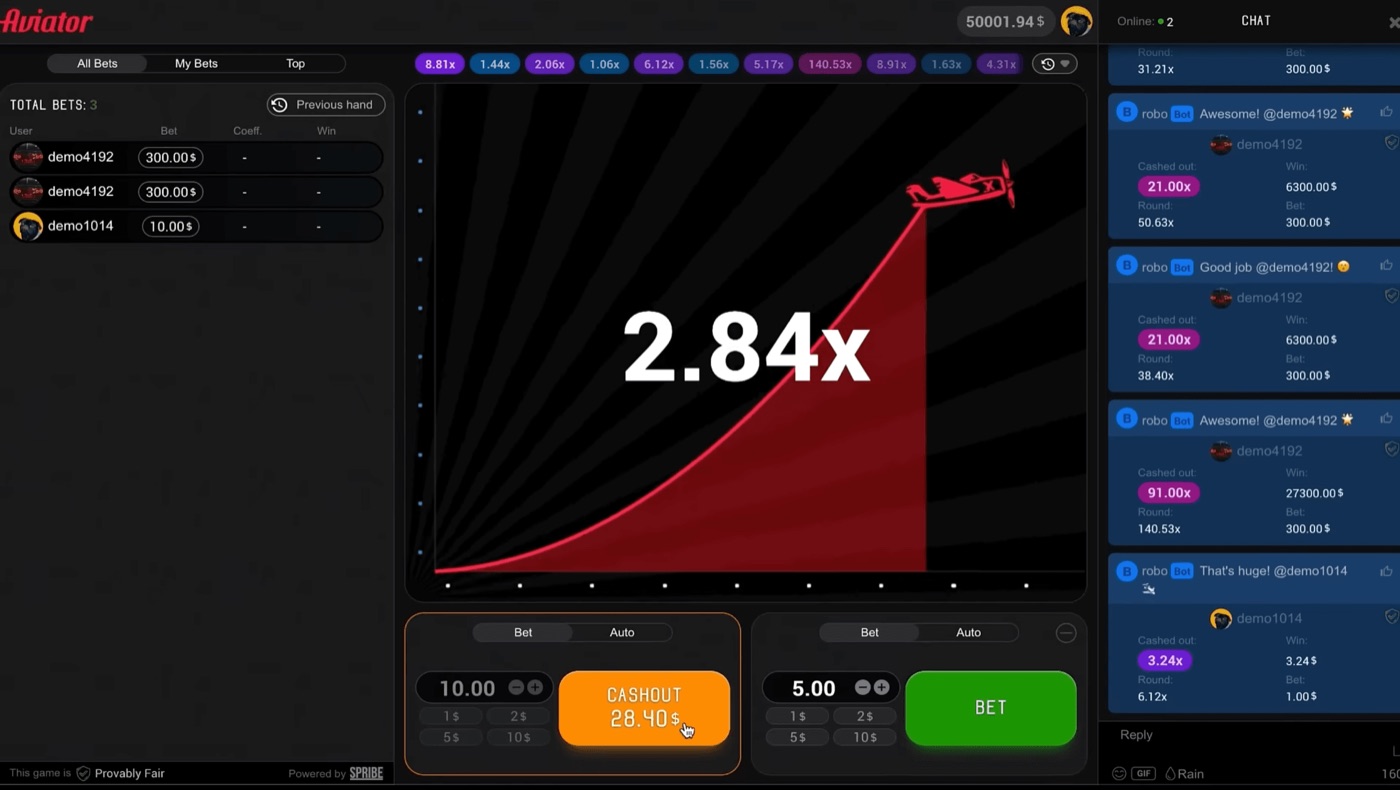
The interface can show live bets, chat, and a cash-out at 28.40.
Manual And Automatic Cash-Out
Aviator provides Bet and Auto tabs. The game also provides Auto Cash-Out, which closes a bet at a preset multiplier.
The two bet panels operate separately. This lets a player set different stakes or cash-out choices for two bets in one round, provided the operator’s available settings support the selected use.
Manual cash-out
Manual cash-out places the timing decision with the player. The player watches the multiplier and taps the cash-out control before the crash.
- Manual play requires attention during the entire round.
- The selected target can be missed if the player waits too long.
- A cash-out request can time out if latency prevents it reaching the server in time.
- The result cannot be changed after the crash.
Automatic cash-out
Auto Cash-Out uses a preset multiplier instead of a last-second tap. If the round reaches that value before crashing, the game attempts to cash out automatically.
Auto Cash-Out can reduce reaction pressure during an 8–30 second round. It does not improve the RTP, remove the 3% house edge, or guarantee that every bet reaches the selected multiplier.
Guides commonly discuss automatic targets between 1.5x and 2x. Those values remain exposed to the published probabilities: 1.5x is reached in 64.7% of rounds, while 2x is reached in 48.5%.
Auto Bet And Two Bets
Aviator’s Auto Bet or Auto Play setting can cover 10–100 rounds. The setting can include stop-on-win and stop-on-loss controls.
The automatic tools continue the chosen process across a defined number of rounds. They do not predict the crash point, and they do not turn independent rounds into a linked sequence.
- Select the Auto tab.
- Choose the stake for the automatic bet.
- Set an Auto Cash-Out multiplier if required.
- Choose the number of rounds from 10 to 100.
- Apply stop-on-win or stop-on-loss settings when available.
- Review the settings before starting the sequence.
Automation matters because 100 rounds can pass quickly when the game offers 60–90 rounds per hour. A player may place many bets without making a fresh manual decision for each round, so the total stake exposure needs to be understood before activating the option.
The two-bet approach is another interface choice. Guides describe one bet using a lower cash-out such as 1.5x–2x and a second bet left for a higher target such as 5x–10x. This changes how returns are distributed between the two bets, but it does not change the -3% expected value of the stakes.
- One bet can use its own cash-out setting.
- A second bet can use a different cash-out setting.
- Each bet remains exposed to the same crash point.
- A crash before both cash-outs loses both stakes.
- Splitting a stake changes variance, not the house edge.
Auto Play should not be confused with a predictor. The crash point is committed by the hash before take-off, while automatic settings only follow instructions already entered by the player.
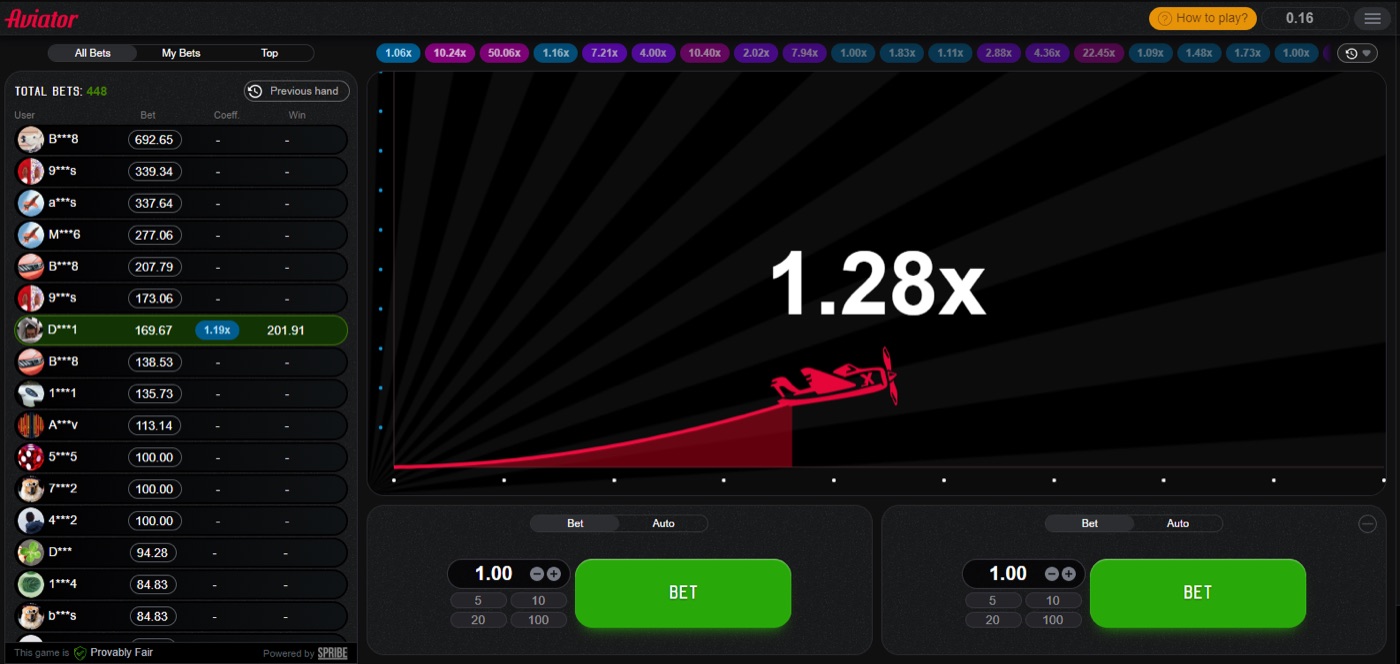
The plane remains in flight while the multiplier rises toward the crash.
Speed And Stake Control
Typical Aviator stakes range from about $0.10 to $100 per bet, depending on the operator. The available win caps and stake limits also depend on the operator.
Fast rounds can make a small stake appear harmless when repeated bets add up. A player using Auto Play for 100 rounds should consider the total possible exposure rather than looking only at one bet.
A clear control process can include:
- Choose a fixed stake before the first round.
- Set a session loss limit.
- Set a session win limit.
- Decide how many rounds to play.
- Stop when either limit is reached.
Guides commonly suggest risking no more than 2% of a bankroll per round. That is a money-management guideline, not a way to overcome the 3% house edge or the high variance of the game.
Martingale deserves particular caution. The method doubles the stake after each loss and reaches 1,024 times the base stake after 10 losses, so a short sequence of crashes can create a large required stake.
Fibonacci and D’Alembert systems also do not beat the 3% edge. A faster round schedule can make any progression increase more quickly because the player reaches the next bet sooner.
Checking Results And Settings
Aviator displays round history at the top of the interface. The live bets panel shows All Bets, My Bets, and Top sections with daily, monthly, and all-time wins.
The interface also includes a Provably Fair badge and an in-game chat. These features provide information about current activity and verification, but they do not forecast the next multiplier.
Before using automatic settings, a player can check:
- The selected stake for each bet panel.
- The Auto Cash-Out multiplier.
- The number of Auto Play rounds.
- The stop-on-win setting.
- The stop-on-loss setting.
- The connection and device response.
Demo mode is available through an operator demo or demo.spribe.io and needs no registration. It works on desktop, tablet, and mobile browsers, so a player can inspect the interface and timing without placing a real stake.
Aviator runs inside a licensed operator’s website or app. Spribe does not provide a standalone official Aviator app, and third-party apps using names such as “Aviator Predictor” cannot predict the committed crash point.
Prediction is impossible because the crash point is fixed before take-off. Telegram signal bots and version labels such as “Predictor v4.0”, “v8”, or “v12” do not change that mechanism.
Aviator FAQ
Aviator uses 8–30 second rounds. The game offers Auto Cash-Out and Auto Play settings for preset multiplier decisions.
The crash point is fixed before take-off through the provably fair process. Automatic tools manage timing, but they do not alter the 97% RTP or 3% house edge.
Can speed predict the next multiplier?
No. Round length does not predict the next multiplier. Rounds are independent, and previous results do not change the probability of the next result.
What is Auto Cash-Out?
Auto Cash-Out closes a bet at a preset multiplier when the round reaches that value before the crash. It reduces the need for a last-second manual tap, but it does not guarantee a win.
How many rounds can Auto Play cover?
Aviator’s Auto Bet or Auto Play can cover 10–100 rounds. It can include stop-on-win and stop-on-loss controls.
Can a predictor beat the round speed?
No. A predictor cannot know the crash point because the result is committed by hash before the plane takes off. Third-party predictor apps and signal bots do not change the game’s mathematics.
Why can a cash-out time out?
A cash-out can time out when latency or a slow device prevents the request from reaching the server before the crash. The button must be processed before the round ends.
Does a higher multiplier improve value?
No. The expected value is -3% of the stake at every cash-out target. Higher targets generally occur less often, while changing the target changes variance rather than the house edge.